Tree Lopping and Removal in Lower Clapton: Safe, Professional Solutions for Urban Trees
Tree lopping and removal in Lower Clapton is an essential service for homeowners, landlords, property managers, and businesses that want to keep their outdoor spaces safe, tidy, and legally compliant. In a busy and well-established part of East London, trees add character, shade, privacy, and environmental benefits. However, when trees become overgrown, unstable, diseased, or obstructive, they can quickly turn from an asset into a serious concern.
Whether you are dealing with a hazardous tree leaning over a driveway, a dense canopy blocking sunlight, or roots interfering with paving and drainage, tree lopping and removal in Lower Clapton must be handled carefully and professionally. The right approach helps protect nearby structures, reduce risk, and preserve the health of surrounding vegetation.
In this area, where gardens are often compact and properties are closely spaced, tree work requires skill, precision, and local knowledge. From initial inspection to the final clearance of debris, every stage matters. If you need tree lopping in Lower Clapton or complete tree removal, choosing a trained arborist can make the difference between a safe result and costly damage.
Understanding Tree Lopping and Removal in Lower Clapton
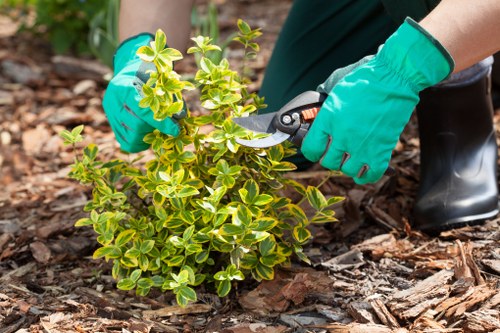
Many people use the phrase “tree lopping” to describe cutting back branches, reducing height, or reshaping a tree. While the term is common, professional tree surgeons usually prefer more precise language such as crown reduction, crown thinning, crown lifting, or sectional dismantling. That said, tree lopping and removal in Lower Clapton remains the phrase most residents search for when they need urgent or planned tree work.
Tree removal, on the other hand, means taking down the entire tree, usually because it is dead, dying, structurally unsound, or unsuitable for its location. This may involve felling a tree in an open space or dismantling it piece by piece where access is restricted. In Lower Clapton, many removals are carried out in tight urban conditions, which makes careful planning especially important.
Understanding the difference between pruning, lopping, and removal helps property owners make informed decisions. A healthy tree may only need selective trimming, while an unsafe tree may need to be removed before it causes harm. A qualified arborist will assess the tree’s condition, the surrounding environment, and the desired outcome before recommending the most appropriate solution.
When Tree Lopping or Removal Becomes Necessary
There are several common reasons why tree lopping and removal in Lower Clapton becomes necessary. Some are safety-related, while others are about improving the appearance, function, or long-term health of the property. In many cases, the issue begins with a few overgrown branches, but can escalate if left untreated.
Typical reasons for tree work include:
- Branches hanging over roofs, paths, roads, or neighbouring gardens
- Dead, decaying, or storm-damaged limbs
- Trees growing too close to buildings or utility lines
- Blocked sunlight affecting gardens and windows
- Roots lifting paving or damaging drains
- Diseased trees that may spread infection
- Improving access, visibility, or site usability
In urban neighbourhoods like Lower Clapton, even a relatively small tree can become problematic if it is not maintained regularly. Branches can obstruct footpaths, reduce security lighting, or create hazards during windy weather. In these situations, professional tree lopping can restore balance without necessarily removing the tree entirely.
When a tree is beyond recovery, tree removal is often the safest and most practical option. A professional assessment will consider whether the tree can be retained with pruning or whether complete removal is the only responsible course of action.
Why Professional Tree Services Matter in Lower Clapton
Tree lopping and removal in Lower Clapton should never be treated as a simple DIY task. Trees are heavy, unpredictable, and often located near valuable property, vehicles, fences, and overhead services. One incorrect cut can lead to falling branches, property damage, or injury. Professional tree surgeons are trained to handle these risks with the right equipment and techniques.
Experienced arborists understand tree biology as well as safe removal methods. That means they do more than cut branches randomly. They assess how a tree will respond to pruning, how weight is distributed, and how to reduce stress on the tree whenever possible. This approach is especially important if you want to preserve mature trees that still have a useful life ahead of them.
Professional tree work also helps protect the wider environment. In a place like Lower Clapton, trees contribute to air quality, shade, biodiversity, and the overall streetscape. Skilled pruning and responsible removal ensure these benefits are maintained where possible while addressing safety and property concerns.
Common Tree Lopping Services Available
Not every job requires a full removal. In many cases, tree lopping and removal in Lower Clapton begins with a pruning or reduction service that solves the problem without taking the tree out completely. The right service depends on the tree’s species, size, age, condition, and position.
Popular tree surgery options include:
- Crown reduction to reduce overall height and spread
- Crown thinning to allow more light and wind to pass through
- Crown lifting to raise the canopy and improve clearance
- Deadwood removal to eliminate unsafe or unstable branches
- Pollarding for controlled regrowth on suitable species
- Sectional dismantling when trees must be removed in confined areas
Each method has a different purpose. For example, crown reduction may be useful when a tree has outgrown its space, while crown thinning can improve airflow and reduce wind resistance. Deadwood removal is often carried out for safety, especially in public-facing or high-traffic areas.
The best tree lopping solution is the one that balances safety, appearance, and the long-term health of the tree. A reputable tree surgeon will explain the options clearly and recommend only the work that is genuinely needed.
When Full Tree Removal Is the Best Option
Although many trees can be managed through pruning, there are times when tree removal in Lower Clapton is unavoidable. If a tree is dead, severely diseased, structurally compromised, or causing significant damage, removal may be the safest choice. This is especially true where the tree is close to a house, boundary wall, driveway, or public pavement.
Signs that a tree may need removal include:
- Large cracks in the trunk or major limbs
- Severe fungal growth at the base
- Extensive dieback in the crown
- Leaning that has worsened over time
- Root heave or visible root failure
- Repeated branch drop or storm damage
A damaged tree does not always need immediate removal, but it does need a careful inspection. In some cases, monitored retention is possible. In others, the safest route is to remove it before the next storm makes the situation worse. This is one of the main reasons why tree lopping and removal in Lower Clapton should be assessed by a trained professional rather than guessed at by eye.
Once a tree is removed, the site can often be replanted or repurposed. Many property owners use the opportunity to improve landscaping, install a new garden feature, or choose a smaller, more suitable tree for the space.
Local Challenges for Tree Work in Lower Clapton
Lower Clapton presents a number of practical challenges that affect how tree lopping and removal is carried out. Homes are often closely arranged, gardens may be narrow, and access can be limited by side passages, extensions, sheds, or rear boundaries. These conditions demand a methodical approach and specialist equipment.
Urban trees can also be affected by compacted soil, restricted root space, pollution, and limited water availability. These stresses may weaken the tree over time, increasing the likelihood of storm damage or disease. In such cases, a tree may appear healthy from a distance but still be structurally vulnerable.
Weather is another important factor. Heavy wind, prolonged rain, and seasonal storms can all make a compromised tree more dangerous. That is why many residents search for tree lopping and removal in Lower Clapton after noticing sudden changes such as cracked limbs, dropped branches, or a new lean following bad weather.
Safety, Risk Reduction, and Site Protection
Safety is at the heart of every tree lopping and removal project. A professional team will take steps to protect people, property, and nearby features before any cutting begins. This includes assessing the tree, checking access routes, identifying hazards, and planning how branches or sections will be lowered safely.
Good safety practices often include:
- Using ropes, harnesses, and lowering systems
- Wearing appropriate personal protective equipment
- Sectional dismantling in confined locations
- Keeping the work zone clear of residents and visitors
- Protecting lawns, paving, fences, and planting beds
- Removing debris promptly and responsibly
Careful site protection is especially important in residential streets where parked vehicles, neighbouring homes, and pedestrian access must be considered. A well-run job leaves the area tidy and minimises disruption while completing the required work efficiently.
Tree lopping and removal in Lower Clapton should always be completed with a strong focus on risk reduction. This means not only reducing immediate hazards, but also preventing future problems by ensuring the remaining landscape is stable and suitable for the space.
Tree Preservation, Permissions, and Local Considerations
Before carrying out tree lopping and removal in Lower Clapton, it is important to check whether the tree is protected. Some trees may be subject to a Tree Preservation Order (TPO), while others may be located within a conservation area. These legal protections can affect what work is allowed and whether permission is required.
Failing to check permissions can result in significant penalties, even if the work was done with good intentions. A knowledgeable tree surgeon or arborist will usually understand the local requirements and can advise on the right process before work begins. In some cases, a formal application or notice period may be necessary.
There is also a responsibility to consider neighbours and shared boundaries. Branches that overhang another property can often be pruned, but the situation should be handled carefully and respectfully. Communication helps reduce disputes and ensures the work is completed in a way that benefits everyone involved.
Benefits of Regular Tree Maintenance
Regular maintenance is often the best way to avoid emergency tree removal. By scheduling routine inspections and trimming, property owners can keep trees healthy, attractive, and safe. This proactive approach usually costs less than waiting until a tree becomes dangerous or causes damage.
Key benefits of ongoing tree maintenance include:
- Improved tree health and structure
- Reduced risk of falling branches
- Better light levels in gardens and rooms
- Cleaner sightlines and improved kerb appeal
- Fewer conflicts with buildings, walls, and drains
- Longer lifespan for suitable trees
Routine pruning also helps identify problems early. A small crack, minor decay, or unusual growth pattern can be addressed before it turns into a bigger issue. For many residents, regular tree lopping in Lower Clapton is a practical investment in both safety and property value.
Keeping trees well-managed often means fewer emergency callouts, less disruption, and better results overall. That is one of the strongest arguments for seasonal inspections and professional care.
How the Tree Removal Process Usually Works
Although every job is different, the process for tree removal in Lower Clapton generally follows a clear sequence. This structured approach helps ensure safety, efficiency, and a neat final result.
Typical stages of the work
- Initial inspection and risk assessment
- Discussion of options, including pruning or full removal
- Checking for permissions or local restrictions
- Preparing the work area and safety equipment
- Removing branches and trunk sections safely
- Stump grinding or stump removal if required
- Clearing and disposing of all waste responsibly
In some cases, the tree can be dismantled from the ground. In tighter spaces, climbing or specialist access methods may be needed. If a stump remains, it may be ground down to reduce tripping hazards and make the space usable again. This is especially helpful in gardens where replanting or landscaping is planned.
By following a structured process, professionals can complete tree lopping and removal in Lower Clapton with minimal disruption and maximum control.
Choosing the Right Tree Surgeon in Lower Clapton
Choosing the right professional matters just as much as choosing the right service. Not all tree work providers offer the same standards, and the quality of the result can vary significantly. When looking for tree lopping and removal in Lower Clapton, it is sensible to choose a provider with proper training, insurance, and relevant experience in urban environments.
What to look for:
- Qualified arboricultural knowledge
- Public liability insurance
- Experience with domestic and commercial properties
- Clear explanations of recommended work
- Safe methods and professional equipment
- Responsible waste handling
A good tree surgeon should not push unnecessary removal when pruning would be enough. They should be honest about risks, practical about outcomes, and able to explain why a particular method is being suggested. That level of transparency builds trust and leads to better long-term results.
Why expertise matters
Tree lopping and removal in Lower Clapton is not just about cutting wood. It is about understanding tree health, structural safety, local conditions, and how to achieve the best outcome for the property and the landscape.
Environmental Responsibility and Responsible Disposal
Responsible tree work does not end when the final branch is cut. The disposal of green waste, timber, and stump material is an important part of the service. A professional team will ensure that waste is recycled, composted, chipped, or disposed of correctly where appropriate.
There is also an environmental side to tree removal that should not be overlooked. If a tree must come down, it is worth considering whether a replacement planting is suitable. In some cases, a smaller species or a better-positioned tree can restore greenery without repeating the same problems.
Responsible tree lopping and removal in Lower Clapton balances immediate safety with long-term environmental value. It recognises that trees are important assets, but also that they need to be managed in a way that suits the property and the local surroundings.
Cost Factors to Consider
The cost of tree lopping and removal in Lower Clapton can vary widely depending on the size of the tree, its condition, access constraints, and the complexity of the work. Smaller pruning jobs are generally less expensive than large-scale removals, especially when specialist equipment or sectional dismantling is required.
Factors that affect price include:
- Tree height and trunk diameter
- Location near buildings or utilities
- Need for climbing or elevated access
- Whether stump grinding is included
- Waste removal and disposal volume
- Urgency of the work
Although price is important, it should not be the only consideration. The cheapest option is not always the safest or most effective. Investing in a proper inspection and professional workmanship can prevent far greater costs later, especially if a poorly handled tree damages property or causes an accident.
For that reason, many residents prefer to book tree lopping and removal in Lower Clapton with a provider who offers clear recommendations and a safe, well-managed process.
Making the Right Decision for Your Property
Deciding whether to prune, lop, reduce, or remove a tree can feel difficult, especially if the tree has been part of the property for many years. However, the right choice becomes clearer once the tree’s condition, location, and impact are properly assessed. In some cases, a light reduction will solve the issue. In others, full removal is the most responsible decision.
Tree lopping and removal in Lower Clapton is ultimately about protecting people and property while preserving the value of the landscape where possible. A thoughtful approach ensures that trees remain an advantage rather than becoming a hazard.
If you have noticed signs of damage, overgrowth, or instability, do not wait until the problem worsens. Contact us today to arrange an assessment, or book your service now if you are ready to take the next step toward a safer, better-managed outdoor space.
Final thoughts
Tree lopping and removal in Lower Clapton should always be carried out with care, skill, and respect for the local environment. Whether you need minor crown work, storm damage clearance, or complete tree removal, a professional solution can protect your property and improve the appearance of your outdoor space.