Hedge Trimming in Lower Clapton: Keeping Gardens Neat, Healthy, and Attractive
Why Hedge Trimming in Lower Clapton Matters for Local Gardens
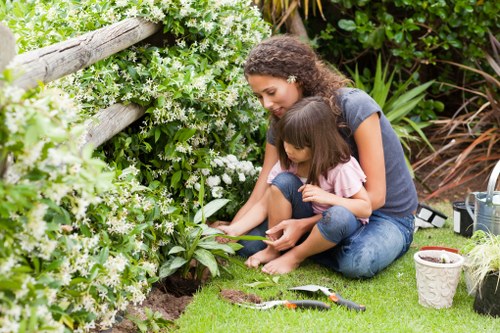
Hedge trimming in Lower Clapton is more than a simple garden chore. In a busy part of East London where outdoor space is often limited, well-shaped hedges can make a major difference to how a property looks and feels. A carefully maintained hedge creates structure, privacy, and year-round greenery, while neglected hedges can quickly become untidy, overgrown, and difficult to manage.
For homeowners, landlords, and businesses alike, regular hedge trimming in Lower Clapton helps preserve curb appeal and supports plant health. When hedges are cut at the right time and in the right way, they grow more evenly, stay dense, and are less likely to develop weak branches or patchy areas. Healthy hedges also contribute to a more pleasant outdoor environment, adding natural screening and reducing visual clutter.
Lower Clapton has a mix of period homes, modern developments, and compact gardens, so hedge care often needs a tailored approach. Different hedge species, property styles, and seasonal conditions all play a role in determining the best trimming schedule. That is why local knowledge matters when it comes to hedge trimming in Lower Clapton.
Benefits of Professional Hedge Trimming in Lower Clapton
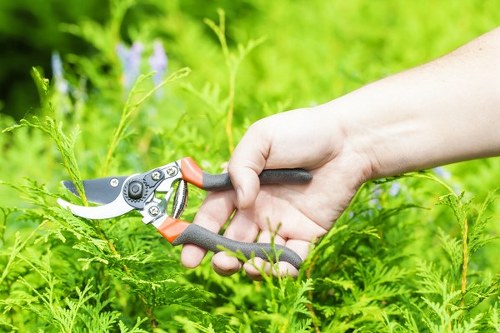
Professional hedge trimming in Lower Clapton offers several practical and visual benefits. While many garden owners attempt light shaping themselves, trained hedge care often provides a cleaner finish and healthier long-term results. A professional approach can improve the consistency of the cut, reduce stress on the plants, and help maintain balanced growth throughout the year.
One of the biggest advantages is time saving. Hedges can grow quickly, especially after periods of rain and mild weather. Trimming them properly can be time-consuming, particularly if they are tall, wide, or difficult to access. By choosing expert hedge trimming in Lower Clapton, property owners can keep their gardens in shape without spending hours on ladders or dealing with hedge waste.
Another important benefit is safety. Overgrown hedges can block pathways, reduce visibility, and interfere with fences, walls, and nearby plants. In some cases, trimming also helps prevent hedges from becoming too heavy on one side or leaning into public walkways. Regular hedge maintenance reduces the risk of damage and keeps outdoor areas safer for everyone.
Common Hedge Types Found in Lower Clapton
Hedge trimming in Lower Clapton often involves a variety of hedge species, each with its own growth pattern and care needs. Knowing the hedge type is important because different plants respond differently to cutting. Some need frequent shaping, while others benefit from lighter, less frequent trims.
- Privet – A classic choice for dense, formal boundaries that respond well to regular trimming.
- Laurel – Fast-growing and broad-leaved, often requiring careful shaping to control spread.
- Box – Common in decorative borders and smaller formal gardens, needing precise trimming.
- Beech – Popular for natural screening with seasonal interest and tidy structure.
- Holly – Evergreen and robust, but best trimmed with attention to shape and safety.
Because Lower Clapton gardens can vary from narrow courtyard spaces to larger front boundaries, hedge trimming techniques may differ significantly from one property to another. Some hedges are purely decorative, while others are used to protect privacy or divide spaces. The right cut depends on both the plant and the purpose of the hedge.
When hedges are trimmed according to their growth habits, they are more likely to remain thick from the base upward. This is especially important in urban gardens, where hedges often serve as a natural screen against street activity and neighbouring properties.
Best Times for Hedge Trimming in Lower Clapton
The timing of hedge trimming in Lower Clapton can affect both appearance and plant health. In general, many hedges benefit from trimming during the main growing season, with lighter maintenance cuts as needed through the year. However, the ideal time depends on the hedge variety, local weather, nesting season considerations, and the overall condition of the plant.
Spring and summer are often the busiest periods for hedge maintenance because plants grow quickly and become untidy faster. A light trim can encourage neat growth without overcutting. For many evergreen hedges, late spring or summer shaping works well, while deciduous hedges may also be tidied after leaves have fully developed.
Autumn and winter can be suitable for certain hedge types, especially when the aim is structural shaping rather than active growth control. That said, heavy pruning should be avoided during very cold or wet periods unless the hedge species is suited to it. Timing the work properly helps protect the plant and supports a clean, balanced finish.
Seasonal Considerations
When planning hedge trimming in Lower Clapton, it helps to think about local conditions as well as plant health. Birds may be nesting in spring and early summer, so checks should always be made before cutting. Weather conditions also matter: strong sun can stress newly exposed foliage, while heavy rain can make cuts less neat and increase soil compaction.
How Hedge Trimming Supports Plant Health
Hedge trimming in Lower Clapton is not only about keeping gardens tidy. It also supports healthier plant growth by removing dead, damaged, or overcrowded stems. This allows more light and air to move through the hedge, reducing the likelihood of disease and encouraging stronger new shoots.
When hedges are left untrimmed for too long, the outer growth can become dense while the inner branches receive less light. This may lead to thinning at the base, bare patches, and uneven shapes. Regular trimming helps maintain a compact, attractive structure and prevents hedges from becoming woody and difficult to restore.
Proper hedge care promotes long-term vitality. By trimming at the right intervals, gardeners can guide growth in a desired direction and avoid drastic cuts later. Light, regular maintenance is usually better than waiting until the hedge becomes heavily overgrown and requires major reduction work.
Signs a Hedge Needs Attention
- Branches are extending beyond the desired boundary
- The hedge has become lopsided or uneven
- Dead twigs and brown patches are visible
- Pathways or driveways are being obstructed
- The hedge has lost its defined shape
If these signs are showing, hedge trimming in Lower Clapton should usually be carried out sooner rather than later. The longer a hedge is left, the harder it can be to restore a neat finish without removing too much at once.
Tools and Techniques Used for Hedge Trimming in Lower Clapton
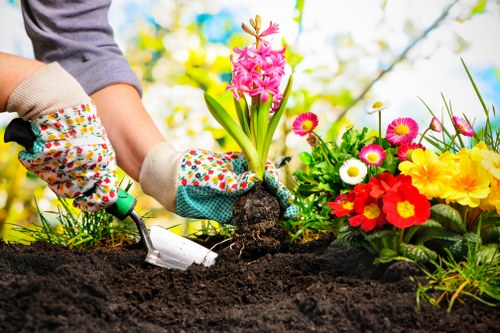
Different tools are used for hedge trimming in Lower Clapton depending on hedge size, thickness, and accessibility. Small hedges may be shaped with hand shears for precision, while larger hedges often require powered hedge trimmers to save time and maintain even cuts. In tight gardens, compact equipment can be especially useful for reaching awkward corners without damaging nearby plants.
Good technique matters just as much as the equipment. A hedge should generally be trimmed so that the base is slightly wider than the top. This shape helps lower branches receive enough light and prevents the hedge from becoming sparse below. This simple approach can make a big difference to the overall look and health of the hedge.
Clean cutting is also important. Dull blades can tear plant tissue instead of making smooth cuts, which may leave the hedge looking ragged and increase stress on the plant. Professionals who specialise in hedge trimming in Lower Clapton typically use well-maintained tools and tidy up cuttings efficiently, leaving the site neat and ready to enjoy.
Useful Equipment Examples
- Hand shears for detailed shaping
- Electric or petrol hedge trimmers for larger areas
- Step ladders or platforms for taller hedges
- Protective gloves and eyewear for safety
- Tarps or collection bags for easy waste removal
Why Local Conditions in Lower Clapton Influence Hedge Care
Lower Clapton is an urban neighbourhood with a mix of residential streets, gardens, courtyards, and boundary planting. These local conditions affect how hedge trimming should be approached. Space is often limited, which means hedges must be shaped carefully to avoid blocking light, crowding small gardens, or encroaching on footpaths and neighbouring boundaries.
Urban air pollution, reflected heat from surrounding buildings, and variable shading can also influence hedge growth. Some hedges may grow faster on one side than the other, especially if they receive more sunlight or wind exposure. Hedge trimming in Lower Clapton often involves correcting these imbalances so that the hedge maintains a consistent shape from all angles.
Local garden design trends also play a role. Many property owners prefer clean, modern lines or traditional boundaries that match the character of the area. Whether the aim is a neat formal hedge or a softer natural screen, trimming should reflect the style of the property as well as the needs of the plant.
Urban Challenges to Keep in Mind
- Limited working space for tools and access
- Neighbouring structures close to the hedge line
- Public visibility, making appearance especially important
- Waste disposal and cleanup in compact areas
- Seasonal growth affected by shade and shelter
Hedge Trimming for Front Gardens, Back Gardens, and Boundaries
Hedge trimming in Lower Clapton varies depending on where the hedge is located on the property. Front garden hedges often need a sharper, more decorative finish because they contribute directly to curb appeal. Back garden hedges may be used more for privacy and shelter, so the emphasis may be on even height, density, and practical containment.
Boundary hedges are especially important because they define the edge of a garden or driveway. If these hedges become overgrown, they can make spaces feel smaller and more cluttered. On the other hand, a well-trimmed boundary hedge frames the property neatly and can create a welcoming impression for residents and visitors alike.
For businesses and shared premises, hedge trimming in Lower Clapton may also support a professional appearance. A tidy exterior sends a positive message and helps maintain safe access around entrances, paths, and communal spaces. Clear, well-maintained hedges improve both function and presentation.
Practical Goals for Different Areas
- Front gardens: tidy appearance and strong visual appeal
- Back gardens: privacy, shade control, and balanced growth
- Boundaries: neat edges, property definition, and safety
- Commercial spaces: professionalism and easy access
What to Expect from a Hedge Trimming Service
When arranging hedge trimming in Lower Clapton, many property owners want a service that is efficient, tidy, and tailored to the hedge’s needs. A well-organised visit usually begins with an assessment of the hedge’s size, condition, and desired shape. This helps determine the best tools, cutting method, and level of reduction required.
The trimming process should include shaping, clearing away loose growth, and removing waste from the site. In some cases, extra attention may be needed for thick or high hedges, especially where access is restricted. Good hedge care should leave the hedge balanced and the garden cleaner than before.
Attention to detail makes a noticeable difference. A careful finish can transform the appearance of a garden, especially if the hedge has become irregular or outgrown its space. For many people, the improvement in light, order, and overall atmosphere is immediate after hedge trimming in Lower Clapton.
Typical Service Elements
- Initial inspection and shape assessment
- Trimming to size and desired profile
- Removal of dead or damaged growth
- Collection and disposal of cuttings
- Final tidy-up of the work area
Maintaining Results After Hedge Trimming in Lower Clapton
Once hedge trimming in Lower Clapton has been completed, simple maintenance steps can help preserve the result for longer. Regular monitoring makes it easier to spot new growth before it becomes unruly. A light touch-up between major trims may be enough to keep the hedge neat and prevent larger jobs later on.
Watering, feeding, and mulching can also support healthy regrowth, especially in dry periods or for younger hedges. If the hedge is newly planted, it may need gentler shaping so it can establish a strong root system. For mature hedges, consistent care and sensible trimming intervals are usually the key to a reliable shape.
A little ongoing attention goes a long way. By keeping an eye on growth throughout the season, property owners can protect their investment and enjoy a hedge that continues to look attractive month after month. This is especially valuable in areas where outdoor presentation matters year-round.
Simple Maintenance Tips
- Check the hedge regularly for uneven growth
- Remove fallen debris and leaf build-up
- Avoid cutting too hard into old woody stems
- Plan trims around seasonal growth cycles
- Keep the base clear so the hedge stays healthy
Choosing the Right Approach for Hedge Trimming in Lower Clapton
Not every hedge should be trimmed in the same way. The right approach depends on the species, its age, its current shape, and the purpose it serves in the garden. Formal hedges usually benefit from sharper lines and consistent height, while informal or wildlife-friendly hedges may need a softer, less rigid finish.
Some hedges are also more suitable for light regular trimming than for heavy cutting. Removing too much in one session can stress the plant and reduce the fullness that makes hedges attractive. For this reason, hedge trimming in Lower Clapton is often most successful when carried out with a steady, measured approach rather than aggressive reduction.
The best result is often the one that respects the natural growth habit of the hedge. A good trim should enhance the plant rather than force it into an unsuitable shape. That balance between aesthetics and plant health is what makes professional hedge trimming so valuable.
Questions to Consider Before Trimming
- What type of hedge is it?
- How much growth needs to be removed?
- Is the hedge being used for privacy or decoration?
- Are there safety or access issues to consider?
- Has the hedge been trimmed regularly in the past?
Why Hedge Trimming Adds Value to Lower Clapton Properties
Well-maintained hedges contribute to the overall value and appeal of a property. In a neighbourhood like Lower Clapton, where first impressions matter, a tidy hedge can make a home look cared for and well managed. This is true not only for private homes but also for rental properties and commercial premises that rely on a neat exterior.
Hedge trimming in Lower Clapton also helps properties feel more spacious and organised. Overgrown hedges can make gardens seem smaller and darker, while neatly shaped hedges define space without overwhelming it. This can improve the enjoyment of outdoor areas and enhance the way the property is used day to day.
Good garden structure creates lasting impact. A well-trimmed hedge frames flower beds, paths, patios, and entrances, bringing the whole outdoor area together. For people who want a polished appearance without major landscaping work, regular hedge maintenance is one of the most effective steps they can take.
Reasons Property Owners Invest in Regular Trimming
- Improves visual appeal
- Supports healthy growth
- Maintains privacy and boundaries
- Helps gardens feel brighter and more open
- Reduces long-term maintenance problems
Book Hedge Trimming in Lower Clapton for a Cleaner, Healthier Garden
If your hedge is starting to look untidy, block light, or spread beyond its intended shape, now is a good time to take action. Hedge trimming in Lower Clapton can restore order, improve plant health, and make your outdoor space much more enjoyable. Whether the hedge is small and decorative or tall and established, regular care can keep it looking its best.
By investing in timely maintenance, you can avoid more drastic cutting later and keep your garden looking balanced throughout the year. A well-trimmed hedge is not just attractive; it is also a practical feature that adds privacy, structure, and comfort to your property.
Contact us today to keep your hedge in top condition, or book your service now to enjoy a neat, professional finish that suits your home or business in Lower Clapton. With the right hedge trimming approach, your garden can stay tidy, healthy, and ready for every season.