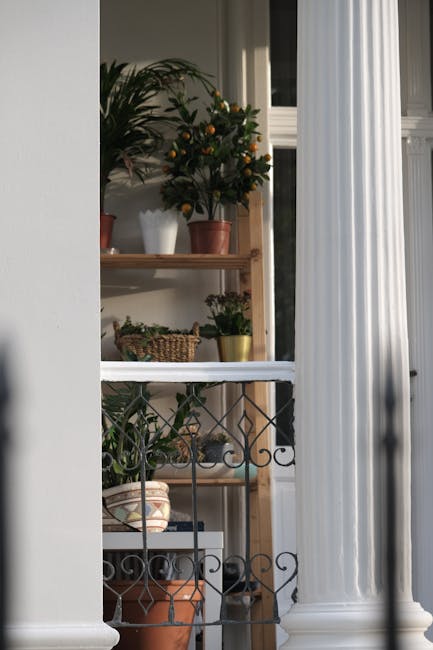
Narrow terrace access solutions from Lower Clapton gardeners

If you have ever tried to move compost bags, paving slabs, a wheelbarrow, or even a modest plant stand down a tight terrace, you already know the problem. Narrow access turns a simple garden job into a careful little operation. That is exactly where Narrow terrace access solutions from Lower Clapton gardeners come in: practical planning, the right kit, and a calm, tidy approach that makes awkward spaces workable again. In Lower Clapton, where many homes have long, slim terraces and shared side passages, good access thinking is not a luxury. It is the difference between a garden project that flows and one that stalls at the front gate.
In this guide, you will find a clear, human explanation of how narrow-access gardening works, what it solves, and how to choose the right approach for your own space. We will cover planning, methods, safety, compliance, useful tools, and a realistic step-by-step process. And yes, we will keep it grounded in the sort of everyday issues that actually crop up, because that is where the real value is.
Why Narrow terrace access solutions from Lower Clapton gardeners Matters
A narrow terrace is not just a smaller version of a normal garden. It behaves differently. Movement is tighter, turning circles are reduced, and the usual "just bring it round the side" approach often does not exist. That affects everything: soil delivery, planting, cleaning, waste removal, fencing repairs, deck installation, and even basic maintenance.
For many Lower Clapton properties, access is shaped by older layouts, terraced house plots, and compact rear gardens. Some routes are shared. Some are stepped. Some have awkward corners or a gate that opens the wrong way. It sounds small until you are trying to get a large bag of bark mulch through in the drizzle at 8 a.m. Truth be told, that is where projects can go sideways very quickly.
Good access planning matters because it protects the property, the people working on it, and the garden itself. A cramped route can easily lead to:
- scuffed walls and chipped paint
- damaged paving or decking edges
- strained lifting and poor manual handling
- avoidable delays and extra labour
- plants or materials arriving in the wrong format for the site
It also matters from a design point of view. Narrow gardens can feel restrictive, but they can be made elegant, calm, and genuinely useful when the delivery and installation process is designed for the site rather than forced into it. If you are thinking beyond access and into the overall shape of the garden, you may also find inspiration in vertical gardening ideas for compact urban spaces and container gardening for flexible planting.
Expert summary: Narrow access is not only about getting materials in and out. It is about designing a working method that suits the garden's physical reality, keeps people safe, and avoids damage from the first day to the last.
How Narrow terrace access solutions from Lower Clapton gardeners Works
The process usually starts with a site review. In plain English, that means looking carefully at how people, tools, and materials will actually move through the space. A professional gardener or landscaping team will check gate widths, path widths, steps, turns, surface conditions, nearby hazards, and where larger items can be staged safely.
From there, the solution is chosen around the site. Sometimes that means using smaller tools and breaking the work into stages. Sometimes it means sourcing materials in smaller volumes. Sometimes it means temporary protection for walls, doors, and paving. In other cases, it means adapting the project itself so it suits the access rather than fighting it.
A sensible narrow-access workflow often looks like this:
- Measure the route from entry point to work area, including the tightest pinch points.
- Assess the load for plants, slabs, timber, topsoil, waste, and tools.
- Choose the delivery method that reduces handling and risk.
- Protect surfaces such as steps, masonry, and glazed doors.
- Stage materials in smaller batches to avoid crowding the route.
- Carry out the work with clear movement patterns and tidy housekeeping.
- Remove waste safely without blocking the access route for too long.
The important thing is that the solution is layered. It is not just one trick. It is a combination of planning, sequencing, and sensible materials handling. If the project includes planting, the team may also pair narrow-access planning with ideas from ground coverage options to keep the finished space low-maintenance and tidy. If shade is part of the site, evergreen climbers for shaded areas can be a very smart fit.
Sometimes the access issue is less about width and more about choreography. Who comes through first? Where does the soil sit while the old materials are being removed? Can a mower, pressure cleaner, or pruning kit pass without snagging? Those questions sound fussy, but they save headaches later. And probably a few muttered words too.
Key Benefits and Practical Advantages
When narrow terrace access is handled properly, the benefits are more than cosmetic. You get a safer job, a cleaner site, and a better result. That might sound obvious, but in compact London gardens, the difference is often dramatic.
- Less damage to the property - better routing means fewer knocks to walls, gates, pots, fences, and paving.
- Faster project delivery - a clear access plan removes stop-start chaos.
- Lower physical strain - smaller loads and smarter handling reduce needless lifting.
- Cleaner finish - materials arrive where they are needed, not scattered through the house or passage.
- More usable garden design - access-conscious design tends to create neater, more practical layouts.
- Better long-term maintenance - it is easier to care for a garden that was built with movement in mind.
There is also a subtle benefit people overlook: confidence. When the access route is controlled, the whole job feels calmer. You can focus on the garden itself instead of worrying about how to get the next load through a too-tight gap. That calmness shows in the finished work.
For homes where upkeep is the bigger issue, it can make sense to combine narrow-access thinking with budget-conscious garden projects or a scheduled garden maintenance service. That way, the access solution supports the whole life of the garden, not just the first installation.
Who This Is For and When It Makes Sense
This is a good fit for a lot of people, not only those planning major landscaping. In fact, some of the most common uses are smaller, practical jobs. A narrow terrace solution makes sense if you are dealing with:
- rear gardens with a slim side passage
- terraced houses with limited rear access
- shared alleyways or tight gate entrances
- small courtyards where turning space is minimal
- balcony-like terraces that need careful material handling
- properties where old paving or fencing makes movement awkward
It is especially useful if your project involves heavy or awkward items. Soil, gravel, decking components, large pots, mature plants, fencing panels, and waste removal all become more complicated when the route is tight. If you are planning structural work, it is worth looking at related services such as decking services, fencing, or broader landscaping support, because the access strategy should match the scale of the job.
It also makes sense if you are simply tired of recurring small problems. Maybe the lawn mower keeps catching on the gate. Maybe weekly waste bins block the passage. Maybe your climbers need pruning but the route to the back is so tight that every job becomes a faff. In that case, access planning is a sensible first fix. Not glamorous, perhaps, but very effective.
Step-by-Step Guidance
If you want a practical starting point, this is the sequence I would use on a real site. It is simple, but it is the sort of simple that only works because the details are handled properly.
1. Measure the access properly
Do not estimate. Measure the narrowest point, the gate opening, the turns, the height restrictions, and any obstacles. A narrow route can feel wider when empty and disappear once a bag of topsoil is in your hands. Small error, big inconvenience.
2. Decide what must go through the route
List the materials and equipment. Do you need compost, timber, paving, planters, shrubs, or a pressure washer? If the access is very limited, consider whether materials can be brought in smaller units or assembled on site.
3. Protect the route before work starts
Cover edges that could be scratched. Move fragile items. Open gates fully. If needed, use temporary boards or mats to protect flooring and softer surfaces. This is a small step that prevents annoying little damage.
4. Sequence the job in the right order
For example, remove waste before delivering new materials. Or finish pruning and clearance before bringing in decorative elements. A good sequence reduces bottlenecks. It also stops the access route becoming a storage yard, which is not ideal, obviously.
5. Use compact tools and manageable loads
Smaller tools are often faster in restricted gardens because they are easier to move and less likely to cause collisions. The same applies to material loads. Smaller buckets, lighter bags, and staged deliveries often beat one heroic trip with a swollen wheelbarrow.
6. Finish with a clean route and a clear exit plan
Once the work is done, clear debris, sweep the route, and check for scuffs or loose items. A tidy end matters. It is easier to notice any follow-up issue when the space is not cluttered.
Expert Tips for Better Results
The best narrow-access jobs are rarely the ones with the fanciest kit. They are the ones where someone has thought ahead. A few practical tips make a noticeable difference.
- Choose modular materials where possible. Smaller paving units, sectional fencing, and pre-planted containers can be far easier to handle than oversized pieces.
- Think vertically. In a tight terrace, walls and fences can carry more of the visual load than the ground plane. That opens up the floor area.
- Keep the layout uncluttered. Every unnecessary object creates a pinch point. You notice it most when carrying something awkward.
- Use planting that suits the access. Low-maintenance ground cover, compact shrubs, and climbers reduce future pressure on the route. For ideas, see keeping weeds under control and sustainable herb garden planning.
- Plan for weather. Wet paving and muddy boots make narrow routes even more awkward. A dry day is lovely, but not always available, so weatherproofing helps.
- Make maintenance easy from day one. If a feature is hard to reach now, it will be hard to maintain later.
Another useful point: keep a realistic eye on the emotional load of the job. A cramped terrace can make even a small project feel bigger than it is. That is normal. A good gardener will break the work into sensible stages and keep the whole thing steady. There is no prize for rushing into trouble.
If wind exposure is part of the problem as well as access, it may help to think about garden wind management. In narrow terraces, wind tunnels can be as annoying as the access itself.
Common Mistakes to Avoid
Most access problems are predictable. That is the good news. The bad news is people keep repeating the same mistakes. Let's face it, we all do this sometimes.
- Ignoring the smallest pinch point - one gate hinge or step edge can change the whole moving plan.
- Buying oversized materials first - if the route is tight, the job should be designed around the route, not the other way round.
- Failing to protect surfaces - scratches and chips often happen in the first five minutes.
- Overloading one person or one trip - awkward lifting is when accidents happen.
- Blocking the route with waste - it sounds efficient until nobody can get through.
- Forgetting future maintenance - a beautiful feature that is impossible to reach is a future problem.
One especially common error is assuming a narrow terrace cannot support a meaningful garden design. That is simply not true. It may need a different approach, but the space can still be lovely. A thoughtful layout, sensible planting, and careful access planning can do a lot.
Tools, Resources and Recommendations
You do not need a warehouse full of equipment. In compact gardens, the right few tools matter more than a huge toolkit. If you are a hands-on homeowner, these are often the most useful basics:
- folding or compact hand tools
- lightweight buckets or trugs
- small-spade and narrow-trowel combinations
- protective mats or temporary surface coverings
- garden gloves with good grip
- lightweight pruning tools
- small wheelbarrow or carry cart where space allows
- broom, dustpan, and waste bags for a tidy finish
For planning and design inspiration, these internal resources can be genuinely helpful: essential garden tools, calmer garden design ideas, and general garden planning guidance.
If your project includes regular upkeep rather than one-off construction, a service such as lawn care or lawn mowing can be especially useful in narrow terraces, because routine movement is often the hidden challenge. The shorter and clearer the access route stays, the easier the whole garden becomes.
Law, Compliance, Standards and Best Practice
For most garden access work, the focus is less on formal legal thresholds and more on sensible UK best practice. That said, there are important points to keep in mind.
Manual handling should be planned carefully, especially when moving heavy materials through tight spaces. Good practice in the UK generally means reducing unnecessary lifting, splitting loads where sensible, and using the right equipment for the task. If a job involves awkward carrying, steep steps, or repeated movement through a narrow passage, that should be part of the risk review.
Health and safety also matters if tools, sharp materials, or power equipment are being used in a restricted route. A tidy working area, clear communication, and sensible sequencing all help reduce risk. If you are hiring a professional, it is reasonable to expect them to take safety seriously and to work in line with their own documented procedures. You can review the company's approach through its health and safety policy and insurance and safety information.
Privacy, payment handling, and service terms also matter if you are arranging work in your home or garden. For background, see privacy policy, payment and security, and terms and conditions. These are not the glamorous parts, but they help set clear expectations, which is always good.
If the access route is shared or close to neighbouring property, good neighbourly practice matters too. Keep noise, mess, and blocking to a minimum where possible, and communicate if materials need temporary staging near boundaries. A little courtesy goes a long way in London terraces. Honestly, it really does.
Options, Methods, or Comparison Table
Different access solutions suit different kinds of terrace work. Here is a practical comparison to help you think it through.
| Method | Best for | Strengths | Limitations |
|---|---|---|---|
| Small-batch manual handling | Light planting, tidy-ups, minor maintenance | Flexible, low cost, easy to control | Slower for heavier jobs |
| Modular materials | Decking, edging, fencing, paving | Easier to carry, easier to fit through tight gaps | May require more planning and joins |
| Staged delivery | Mulch, soil, plants, waste removal | Reduces congestion and strain | Needs clear timing and organisation |
| Compact tools only | Routine maintenance and planting | Safer in narrow routes, less bulky | Not ideal for larger construction work |
| Redesigned layout | Long-term narrow gardens | Makes future access easier and more elegant | Needs more upfront thought |
If you are not sure which approach fits, a good rule is this: the more permanent the work, the more important the layout and material choice become. Short maintenance jobs can lean on compact tools. Larger builds need better design at the start.
Case Study or Real-World Example
Here is a realistic example from the kind of terrace work that comes up all the time. A homeowner in Lower Clapton wanted to refresh a narrow rear terrace that had become cluttered and hard to maintain. The route from front to back included a tight gate, a short side passage, and a corner that made carrying anything bulky awkward.
The first step was to review the route before ordering materials. Instead of large, awkward items, the plan shifted to smaller quantities delivered in stages. The old surface was cleared first so the passage stayed open. Protective covering was placed on the more vulnerable edges of the route. Plants were selected with access in mind: compact, resilient choices with a mix of structure and softness, plus a few climbers to use the vertical space.
The result was not a huge dramatic rebuild. It was better than that, really. The garden became easier to move through, easier to maintain, and much calmer to look at. The client no longer had to squeeze past piles of bits and pieces every time they wanted to water something. The access route stopped being a problem and started doing its job quietly in the background.
If a job like that includes broader improvements, services such as general gardening support or landscaping help can be useful, especially when access planning needs to align with the design itself.
Practical Checklist
Use this quick checklist before any narrow terrace work begins. Simple, but very handy.
- Measure the full route, not just the gate
- Check narrowest points, steps, and turns
- List every material and tool that needs to pass through
- Protect walls, paving, and fragile edges
- Choose smaller or modular materials where possible
- Plan the order of work to avoid blockage
- Keep waste and deliveries separate if space is tight
- Make sure lighting and visibility are adequate
- Use compact tools for routine tasks
- Leave the route clean, clear, and easy to use at the end
Useful extra check: if you would struggle to carry a full bag through the route without twisting, the route needs a different method. That is a surprisingly honest test.
Conclusion
Narrow terrace access solutions are about more than squeezing materials through a tight space. They are about making the whole garden work better. In Lower Clapton, where compact terraces are common and access can be fiddly, the right approach saves time, avoids damage, and makes the finished garden easier to live with. That is the real goal, after all: a space that feels manageable, not stressful.
Whether you need a one-off tidy-up, a structural improvement, or a full redesign, the best results come from careful planning, realistic material choices, and a respect for the site as it is. Once the access is sorted, the garden opens up in a much more satisfying way. You notice the difference every single time you step outside.
If you are ready to talk through a narrow terrace project in Lower Clapton, or you want a practical view on the safest and neatest way forward, start with a proper conversation and a site-aware plan.
Get a free quote today and see how much you can save.
Sometimes the smallest routes lead to the nicest gardens.
Frequently Asked Questions
What are narrow terrace access solutions in practical terms?
They are the planning methods, tools, and working steps used to move materials and complete garden work in a tight terrace or rear access route without causing damage or delays.
Why do Lower Clapton gardens often need special access planning?
Many local homes have compact terraces, shared passages, or older layouts that make moving materials more difficult than in a standard open garden.
Can a narrow garden still be redesigned well?
Yes. In many cases, a narrow garden becomes better once the layout is planned around movement, vertical space, and easy maintenance.
Do I need special equipment for a narrow terrace project?
Not always, but compact tools, smaller loads, protective coverings, and modular materials often make the job smoother and safer.
What kinds of jobs are hardest through a narrow access route?
Heavy materials such as soil, paving, timber, fencing panels, and large waste loads are usually the most awkward to move.
How do gardeners avoid damaging walls or paving?
They protect surfaces before starting, keep the route clear, use manageable loads, and move materials in a controlled sequence.
Is narrow access only a problem for landscaping work?
No. It affects routine maintenance too, including pruning, mowing, cleaning, and waste removal.
How long does narrow terrace access planning usually take?
That depends on the site, but a proper review is usually quick compared with the time saved during the job itself.
Can narrow access affect project cost?
Yes, it can influence labour time, material handling, and delivery methods. The exact effect depends on the garden and the scope of work.
What should I tell a gardener before they visit?
Tell them about gate widths, steps, shared passages, tight corners, surface concerns, and any large items already on site. A few clear details make a big difference.
Are there safety issues with carrying materials through a narrow terrace?
Yes. Tight routes increase the chance of slips, strains, and collisions, so manual handling and route protection matter a lot.
What is the best first step if my terrace access feels impossible?
Start with a site visit or detailed assessment. Once the route is measured properly, the work can usually be broken into manageable stages.